Picking a moisturiser should be simple, but the store aisle says otherwise. Too many bottles. Too many promises. You want soft skin without the breakouts. Skin doctors keep it basic. They look for what works, not what costs the most. They choose formulas that support your skin’s natural job.
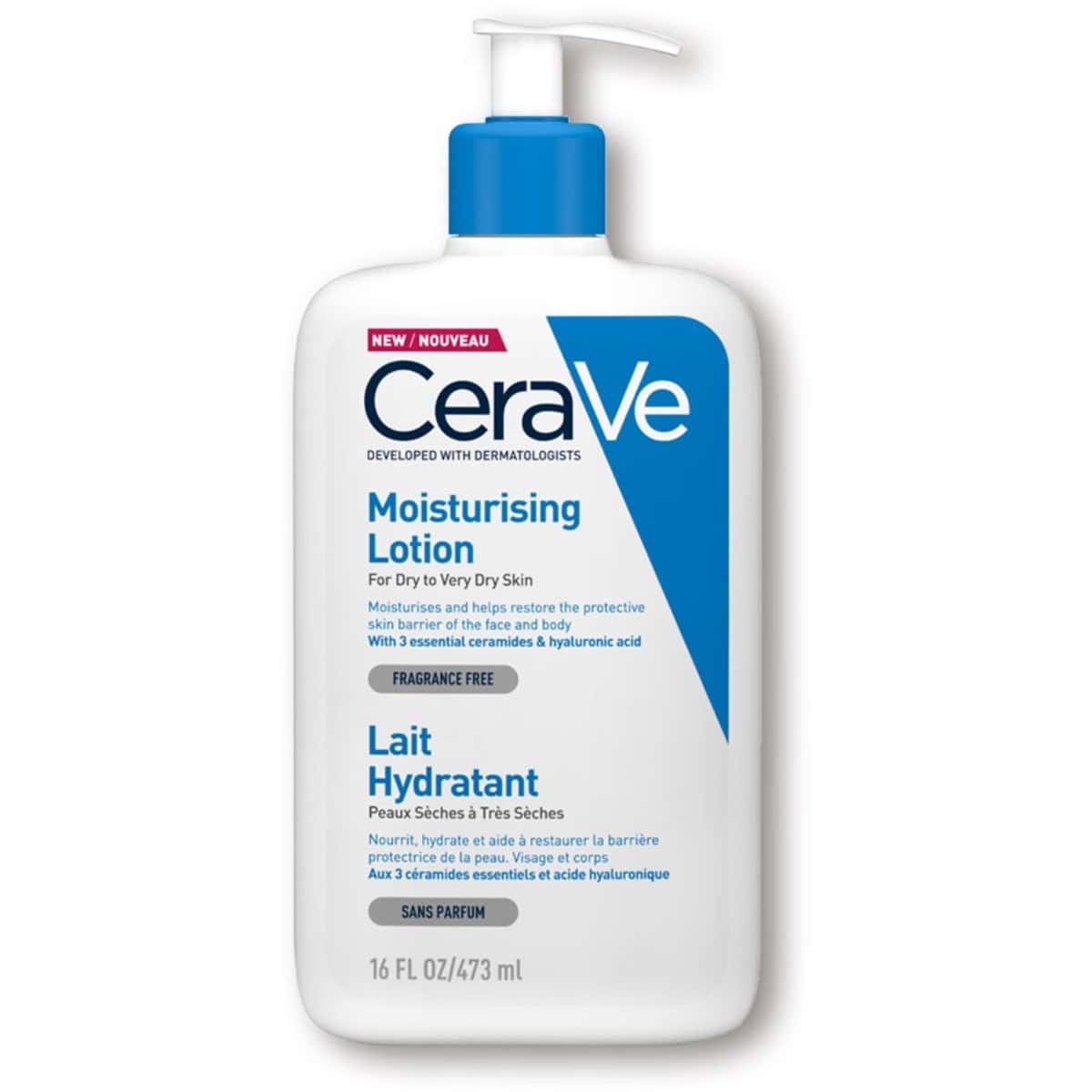
A name like Cerave comes up often for that reason. Here are tips from the pros to guide your next buy.
Look for the repair ingredients:
The best moisturisers do more than just add water to your skin. They help lock that water in. When you read the label, scan for words like ceramides, hyaluronic acid, or glycerin. Ceramides are fats that fill the gaps between your skin cells, like mortar between bricks. Hyaluronic acid pulls moisture from the air into your skin. These ingredients fix your skin barrier so it can protect itself better.
Pick your texture wisely:
The feeling of a cream on your face matters a lot for your daily comfort. If your skin leans toward the oily side or you live in a humid place, a gel or a lotion will soak in fast without leaving a greasy film. If your skin feels tight or flaky, a thick cream or an ointment is your best friend. It sits on top to stop water from escaping while you sleep or go about your day.
Match it to your skin type:
Your skin type decides what your moisturiser should do for you. Oily skin needs a light, oil free product that hydrates without clogging pores. Dry skin needs rich ingredients like shea butter or squalane to soften rough patches. Sensitive skin does best with plain formulas that have no perfume or dye. Stick to products made for your type to avoid reactions.
Check the time of day:
Day and night creams serve different purposes, so using one for both might not work well. A daytime moisturiser should feel light and often includes SPF to shield you from the sun. Night creams are thicker and packed with ingredients that help your skin heal while you rest.
Test before you trust:
Even the best ingredients can cause trouble for some people. Before you slather a new product all over your face, do a small patch test. Put a dot on your inner arm or behind your ear. Wait a day to see if any redness or bumps appear. This simple step can save you from a big skin flare up later.